
Traveling with prescription medication means bringing medicines you've been prescribed—whether for blood pressure, erectile dysfunction, or another condition—across borders in your carry-on, checked luggage, or via international mail. The rules for each method differ significantly, and mixing them up can lead to confiscated medicine, delays at customs, or worse. This guide explains the practical distinctions between carrying medication in your baggage and having it mailed internationally, with a focus on commonly traveled markets and medicines such as sildenafil-based treatments.
CHUMEDIC writes these guides to help readers understand official guidance from health authorities before they travel or order medication. We do not provide legal advice, and border rules can change, so always check the current guidance from the relevant authority before you travel.
Baggage vs Mail: Why the Distinction Matters
Carrying medication in your own luggage when you travel is generally treated differently by customs authorities than having medication mailed to you from another country. When you carry medicine in your bag, you are physically present to declare it, show a prescription or doctor's letter if asked, and explain the quantity you're carrying for personal use during your trip. Customs officers at airports are accustomed to seeing travelers with personal supplies of medication.
Mail order medication crossing a border is a separate regulatory question. Many countries, including the United States, have specific rules about what can be imported by post for personal use, and these rules are often stricter or more ambiguous than the rules for medication carried in your own luggage. The FDA's guidance on personal importation explains that the agency does not generally permit importation of prescription drugs by mail for personal use, even though enforcement discretion sometimes applies in limited circumstances. This is a meaningful distinction: a quantity of medicine that might pass through airport customs in your suitcase without issue could be treated very differently if it arrives by international post.
Packing Prescription Medication for Air Travel
If you are flying with prescription medicine, a few practical steps reduce the chance of problems at security or customs:
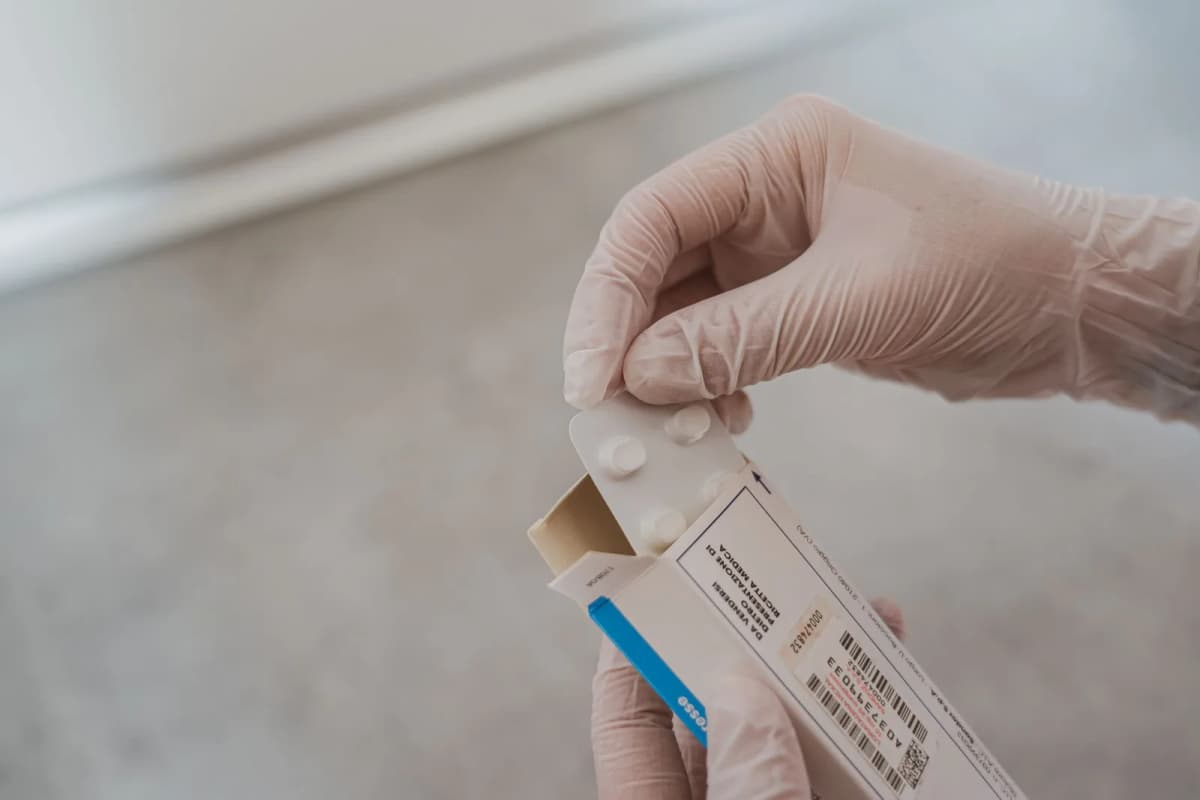
Keep medication in its original packaging where possible, with the pharmacy label or manufacturer's box intact. This helps border staff and airport security quickly identify what the medicine is and confirm it matches any documentation you carry.
Carry a copy of your prescription or a letter from your prescribing clinician, especially for medicines that could be mistaken for a controlled substance or that require cold storage. This is particularly relevant for travelers carrying treatments for erectile dysfunction, as sildenafil-based products are sometimes subject to additional scrutiny in certain countries even though they are not controlled substances in most jurisdictions.
Pack a reasonable quantity for the length of your trip, generally understood as enough for personal use during travel plus a modest buffer, rather than a large bulk supply. Split supplies between carry-on and checked luggage only if you have enough to spare in each; many travelers prefer to keep essential medication in carry-on bags in case checked luggage is delayed or lost.
Customs Rules Vary by Country: What UK, Denmark, Switzerland, and Japan Expect
Each country sets its own rules for what travelers may bring in for personal use, and these rules can differ from mail-order import rules even within the same country. In the United Kingdom, the Medicines and Healthcare products Regulatory Agency (MHRA) oversees medicine regulation and publishes guidance on bringing medicines into the country, generally allowing reasonable personal-use quantities carried by travelers.
Denmark's medicines regulator, the Danish Medicines Agency, provides guidance for travelers on bringing prescription medicines into Denmark, which commonly requires documentation for larger quantities or controlled medicines.
Switzerland's Swissmedic similarly regulates what travelers may bring for personal use, with specific attention to quantities and documentation for prescription-only medicines.
Japan is notably strict: the Ministry of Health, Labour and Welfare (MHLW) requires advance import certificates (Yakkan Shoumei) for many medicines brought in by travelers beyond small personal-use quantities, and some common ingredients found in Western over-the-counter or prescription products are restricted or banned entirely in Japan. Checking MHLW guidance before travel is essential if you plan to carry more than a one-month supply.
Sildenafil and Border Rules: What Travelers Should Know
Sildenafil-based erectile dysfunction treatments are legal prescription medicines in most countries travelers commonly visit, but personal-use quantities carried in luggage are treated far more leniently than unsolicited mail shipments. A traveler carrying a personal supply with a valid prescription for a trip of reasonable length is generally within the expectations of customs authorities in the UK, Denmark, Switzerland, and similar markets. Those researching treatment options domestically can review products such as Cenforce 100mg or Fildena 100mg through CHUMEDIC's shop to understand formulations, always confirming suitability with a licensed clinician and checking the destination country's current import rules before travel.
Practical Takeaways for Travelers
The safest approach is straightforward: carry only what you need for your trip, keep medicines in original packaging with supporting documentation, and never attempt to disguise or misdeclare medication to avoid customs scrutiny. If you need medication delivered while abroad rather than carried, research the destination country's specific personal importation rules well in advance rather than assuming mail rules mirror travel-carry rules.
This content is not a substitute for professional medical advice—consult a licensed clinician.